Buy meanings.eu ?
We are moving the project
meanings.eu .
Are you interested in purchasing the domain
meanings.eu ?
domain@kv-gmbh.de · 0541-91531010
Buy meanings.eu ?
Is ammonia polyprotic or monoprotic?
Ammonia is a monoprotic base, meaning it can donate only one proton (H+) in a chemical reaction. This is because ammonia has only one nitrogen atom that can accept a proton to form the ammonium ion (NH4+). Therefore, ammonia is considered monoprotic. **
What are monoprotic and polyprotic acids?
Monoprotic acids are acids that can donate only one proton (hydrogen ion) per molecule when they dissociate in water. Examples include hydrochloric acid (HCl) and acetic acid (CH3COOH). Polyprotic acids, on the other hand, are acids that can donate more than one proton per molecule when they dissociate in water. Examples include sulfuric acid (H2SO4) and phosphoric acid (H3PO4). **


Similar search terms for Polyprotic
Top-Angebote
Products related to Polyprotic:
-
Uplift Treasures Dad Definition Acrylic Decorative Sign Dad Definition Acrylic Decorative SignProduct Description Celebrate everything that makes him special with this Dad Definition acrylic decorative sign. Featuring a heartfelt definitionstyle message, its a meaningful thank you, birthday, or Christmas gift from kids or a wife that adds...82,97 $*Shipping: 0,00 $Secure redirect to the provider
-
Uplift Essentials Bird Feeder High Definition Wildlife Observation Bird Feeder High Definition Wildlife Observation"Experience the beauty of nature from the comfort of your living room with the CrystalView Window Bird Feeder. Crafted from ultraclear, heavyduty acrylic, this ""bird house"" feeder offers an unobstructed, 360 view of your favorite local birds as they..."31,97 $*Shipping: 0,00 $Secure redirect to the provider
-
Uplift Essentials High Definition Memory Foam Lumbar Support Cushion High Definition Memory Foam Lumbar Support CushionRedefine your sitting experience with a hightorque ergonomic solution designed for maximum spinal stabilization. This car waist support pillow is a professionalgrade rebound memory foam cushion engineered to fill the structural void in office chairs...77,97 $*Shipping: 0,00 $Secure redirect to the provider
-
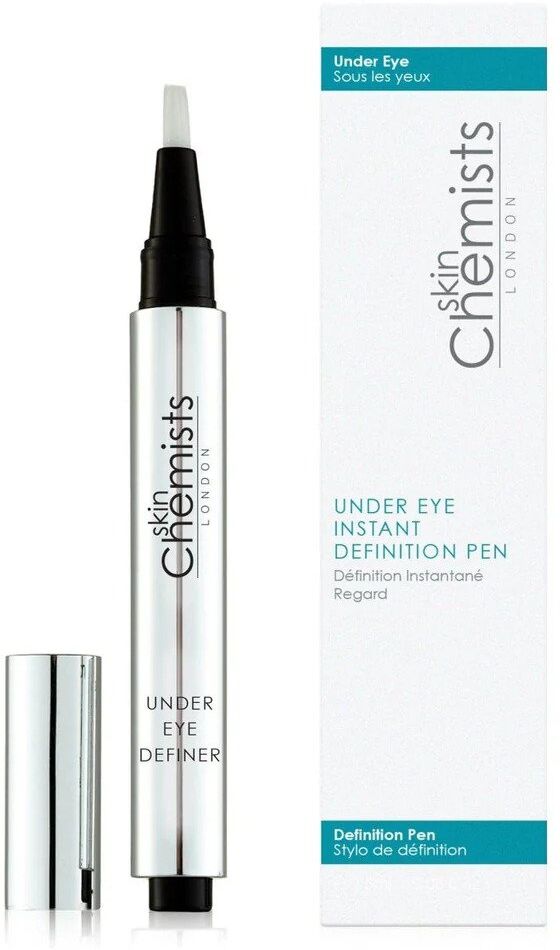
Under Eye Instant Definition Pen 2.5mlSay goodbye to tired-looking eyes with the Under Eye Instant Definition Pen 2.5ml , your go-to solution for brightening, smoothing, and defining the under-eye area. This lightweight, easy-to-use pen delivers instant coverage while reducing the appearance of dark circles, fine lines, and puffiness. Whether you're prepping for a full-glam look or a no-makeup day, this under-eye corrector blends seamlessly into the skin, giving you a fresh and youthful glow in seconds. Ideal for all skin types, the formula is enriched with nourishing ingredients that hydrate and care for the delicate under-eye area while providing long-lasting results. ✔️ Instantly brightens and smooths the under-eye area ✔️ Reduces the appearance of dark circles and puffiness ✔️ Lightweight, buildable coverage for a natural finish ✔️ Easy-to-use precision pen applicator ✔️ Blends effortlessly with makeup or on bare skin ✔️ Long-lasting, crease-resistant formula ✔️ Hydrates and nourishes delicate under-eye skin ✔️ Suitable for all skin types and tones ✔️ Perfect for daily use or touch-ups on the go ✔️ Compact and travel-friendly design Whether you're targeting under-eye shadows, signs of fatigue, or just want a more defined and refreshed look, the Under Eye Instant Definition Pen is your must-have beauty essential. Designed to deliver instant results with a natural finish , it enhances your eyes while caring for your skin. Perfect for those seeking an under-eye concealer , brightening pen , or eye area corrector , this product boosts your look and your confidence every time you apply it.19,99 £*Shipping: 0,00 £Secure redirect to the provider



-
How do I recognize a mono- or polyprotic acid?
A monoprotic acid is an acid that can donate only one proton (hydrogen ion) per molecule, such as hydrochloric acid (HCl) or acetic acid (CH3COOH). On the other hand, a polyprotic acid is an acid that can donate more than one proton per molecule, such as sulfuric acid (H2SO4) or phosphoric acid (H3PO4). One way to recognize a polyprotic acid is by looking at the chemical formula and identifying the presence of multiple hydrogen atoms that can potentially be donated as protons. Additionally, the acid's name may also provide a clue, as polyprotic acids often have prefixes such as di- or tri- to indicate the number of protons that can be donated. **
-
Why is the second dissociation stage weaker in polyprotic acids?
The second dissociation stage is weaker in polyprotic acids because after the first proton is removed, the remaining ion has a higher negative charge, making it more difficult to remove the second proton. This increased negative charge leads to stronger electrostatic attraction between the remaining ion and the proton, making it harder for the second proton to dissociate. Additionally, the second dissociation occurs at a lower pH, where the concentration of H+ ions is lower, further reducing the likelihood of the second dissociation. Overall, these factors contribute to the weaker second dissociation stage in polyprotic acids. **
-
How can I tell if an acid is monoprotic or polyprotic?
You can determine if an acid is monoprotic or polyprotic by looking at its chemical formula. If the formula contains only one hydrogen ion (H+), then the acid is monoprotic. However, if the formula contains more than one hydrogen ion, then the acid is polyprotic. Additionally, you can also look at the acid's chemical structure and its ability to donate multiple hydrogen ions to determine if it is polyprotic. **
-
Can someone explain the meaning of monoprotic and polyprotic to me?
Sure! Monoprotic and polyprotic refer to the number of protons that can be donated by an acid. Monoprotic acids can donate one proton, while polyprotic acids can donate more than one proton. For example, hydrochloric acid (HCl) is monoprotic because it can donate one proton, while sulfuric acid (H2SO4) is polyprotic because it can donate two protons. This distinction is important in understanding the behavior and properties of different acids in chemical reactions. **


How can the concentration of a polyprotic acid be determined by titration?
The concentration of a polyprotic acid can be determined by titration using a strong base. Since polyprotic acids can donate multiple protons, the titration curve will have multiple equivalence points, corresponding to the different dissociation steps of the acid. By monitoring the pH during the titration, the inflection points on the curve can be used to calculate the concentration of the acid. The volume of the base required to reach each equivalence point can also be used to determine the molar concentration of the acid. **
How do you calculate the concentration of a polyprotic acid through titration?
To calculate the concentration of a polyprotic acid through titration, you would first need to determine the equivalence point of the titration by using an indicator or a pH meter. Then, you would use the volume of titrant (such as a strong base) needed to reach the equivalence point and the known molarity of the titrant to calculate the moles of acid present. Since polyprotic acids can donate multiple protons, you would need to consider the number of moles of protons donated by the acid and the stoichiometry of the acid-base reaction to calculate the concentration of the polyprotic acid. **
Top-Angebote
Products related to Polyprotic:
-
Uplifted Finds Beginner Tarot Deck With Keywords & Meanings Antiqued Learning Tarot 78 Card Set Beginner Tarot Deck With Keywords & Meanings Antiqued Learning Tarot 78 Card SetCommand ultimate spiritual confidence with the Beginner Learning Tarot System, a highperformance metaphysical solution specifically engineered to act as a comprehensive tool for elite organization and superior technical ergonomics. Built with a...44,97 $*Shipping: 0,00 $Secure redirect to the provider
-
Simon and Schuster UK Warren Buffett and the Interpretation of Financial Statements: The Search for the Company with a Durable Competitive AdvantageWith an insider's view of the mind of the master, Mary Buffett and David Clark have written a simple guide for reading financial statements from Buffett's successful perspective. They clearly outline Warren Buffett's strategies in a way that will appeal to newcomers and seasoned Buffettologists alike. Inspired by the seminal work of Buffett's mentor, Benjamin Graham, this book presents Buffett's interpretation of financial statements with anecdotes and quotes from the master investor himself. Destined to become a classic in the world of investment books, Warren Buffett and the Interpretation of Financial Statements is the perfect companion volume to The New Buffettology and The Tao of Warren Buffett.4,95 £*Shipping: 1,99 £Secure redirect to the provider
-
Uplift Treasures Dad Definition Acrylic Decorative Sign Dad Definition Acrylic Decorative SignProduct Description Celebrate everything that makes him special with this Dad Definition acrylic decorative sign. Featuring a heartfelt definitionstyle message, its a meaningful thank you, birthday, or Christmas gift from kids or a wife that adds...82,97 $*Shipping: 0,00 $Secure redirect to the provider
-
Uplift Essentials Bird Feeder High Definition Wildlife Observation Bird Feeder High Definition Wildlife Observation"Experience the beauty of nature from the comfort of your living room with the CrystalView Window Bird Feeder. Crafted from ultraclear, heavyduty acrylic, this ""bird house"" feeder offers an unobstructed, 360 view of your favorite local birds as they..."31,97 $*Shipping: 0,00 $Secure redirect to the provider
-
Is ammonia polyprotic or monoprotic?
Ammonia is a monoprotic base, meaning it can donate only one proton (H+) in a chemical reaction. This is because ammonia has only one nitrogen atom that can accept a proton to form the ammonium ion (NH4+). Therefore, ammonia is considered monoprotic. **
-
What are monoprotic and polyprotic acids?
Monoprotic acids are acids that can donate only one proton (hydrogen ion) per molecule when they dissociate in water. Examples include hydrochloric acid (HCl) and acetic acid (CH3COOH). Polyprotic acids, on the other hand, are acids that can donate more than one proton per molecule when they dissociate in water. Examples include sulfuric acid (H2SO4) and phosphoric acid (H3PO4). **
-
How do I recognize a mono- or polyprotic acid?
A monoprotic acid is an acid that can donate only one proton (hydrogen ion) per molecule, such as hydrochloric acid (HCl) or acetic acid (CH3COOH). On the other hand, a polyprotic acid is an acid that can donate more than one proton per molecule, such as sulfuric acid (H2SO4) or phosphoric acid (H3PO4). One way to recognize a polyprotic acid is by looking at the chemical formula and identifying the presence of multiple hydrogen atoms that can potentially be donated as protons. Additionally, the acid's name may also provide a clue, as polyprotic acids often have prefixes such as di- or tri- to indicate the number of protons that can be donated. **
-
Why is the second dissociation stage weaker in polyprotic acids?
The second dissociation stage is weaker in polyprotic acids because after the first proton is removed, the remaining ion has a higher negative charge, making it more difficult to remove the second proton. This increased negative charge leads to stronger electrostatic attraction between the remaining ion and the proton, making it harder for the second proton to dissociate. Additionally, the second dissociation occurs at a lower pH, where the concentration of H+ ions is lower, further reducing the likelihood of the second dissociation. Overall, these factors contribute to the weaker second dissociation stage in polyprotic acids. **
Similar search terms for Polyprotic
-
Uplift Essentials High Definition Memory Foam Lumbar Support Cushion High Definition Memory Foam Lumbar Support CushionRedefine your sitting experience with a hightorque ergonomic solution designed for maximum spinal stabilization. This car waist support pillow is a professionalgrade rebound memory foam cushion engineered to fill the structural void in office chairs...77,97 $*Shipping: 0,00 $Secure redirect to the provider
-
Under Eye Instant Definition Pen 2.5mlSay goodbye to tired-looking eyes with the Under Eye Instant Definition Pen 2.5ml , your go-to solution for brightening, smoothing, and defining the under-eye area. This lightweight, easy-to-use pen delivers instant coverage while reducing the appearance of dark circles, fine lines, and puffiness. Whether you're prepping for a full-glam look or a no-makeup day, this under-eye corrector blends seamlessly into the skin, giving you a fresh and youthful glow in seconds. Ideal for all skin types, the formula is enriched with nourishing ingredients that hydrate and care for the delicate under-eye area while providing long-lasting results. ✔️ Instantly brightens and smooths the under-eye area ✔️ Reduces the appearance of dark circles and puffiness ✔️ Lightweight, buildable coverage for a natural finish ✔️ Easy-to-use precision pen applicator ✔️ Blends effortlessly with makeup or on bare skin ✔️ Long-lasting, crease-resistant formula ✔️ Hydrates and nourishes delicate under-eye skin ✔️ Suitable for all skin types and tones ✔️ Perfect for daily use or touch-ups on the go ✔️ Compact and travel-friendly design Whether you're targeting under-eye shadows, signs of fatigue, or just want a more defined and refreshed look, the Under Eye Instant Definition Pen is your must-have beauty essential. Designed to deliver instant results with a natural finish , it enhances your eyes while caring for your skin. Perfect for those seeking an under-eye concealer , brightening pen , or eye area corrector , this product boosts your look and your confidence every time you apply it.19,99 £*Shipping: 0,00 £Secure redirect to the provider
-
Uplift Essentials Seasonal Narrative Sculpture High Definition Snowman Architectural Ornament Seasonal Narrative Sculpture High Definition Snowman Architectural Ornament"Synchronize your sanctuary with the highdefinition, highvibration energy of our Mini Christmas Snowman Figurines. Featuring a sophisticated ""winterluxe"" silhouette of rhythmic frost anatomy, these resin masterpieces are designed to bring a..."34,97 $*Shipping: 0,00 $Secure redirect to the provider
-
Uplift Essentials Tableware & Culinary Wallpaper High Definition Gastronomic Narrative Sculpture Tableware & Culinary Wallpaper High Definition Gastronomic Narrative Sculpture"Synchronize your sanctuary with the highdefinition, highvibration energy of our Tableware and Food Illustration Wallpaper. Featuring a sophisticated ""bistroluxe"" silhouette of culinary motifs, this visual masterpiece is designed to bring a..."49,97 $*Shipping: 0,00 $Secure redirect to the provider
-
How can I tell if an acid is monoprotic or polyprotic?
You can determine if an acid is monoprotic or polyprotic by looking at its chemical formula. If the formula contains only one hydrogen ion (H+), then the acid is monoprotic. However, if the formula contains more than one hydrogen ion, then the acid is polyprotic. Additionally, you can also look at the acid's chemical structure and its ability to donate multiple hydrogen ions to determine if it is polyprotic. **
-
Can someone explain the meaning of monoprotic and polyprotic to me?
Sure! Monoprotic and polyprotic refer to the number of protons that can be donated by an acid. Monoprotic acids can donate one proton, while polyprotic acids can donate more than one proton. For example, hydrochloric acid (HCl) is monoprotic because it can donate one proton, while sulfuric acid (H2SO4) is polyprotic because it can donate two protons. This distinction is important in understanding the behavior and properties of different acids in chemical reactions. **
-
How can the concentration of a polyprotic acid be determined by titration?
The concentration of a polyprotic acid can be determined by titration using a strong base. Since polyprotic acids can donate multiple protons, the titration curve will have multiple equivalence points, corresponding to the different dissociation steps of the acid. By monitoring the pH during the titration, the inflection points on the curve can be used to calculate the concentration of the acid. The volume of the base required to reach each equivalence point can also be used to determine the molar concentration of the acid. **
-
How do you calculate the concentration of a polyprotic acid through titration?
To calculate the concentration of a polyprotic acid through titration, you would first need to determine the equivalence point of the titration by using an indicator or a pH meter. Then, you would use the volume of titrant (such as a strong base) needed to reach the equivalence point and the known molarity of the titrant to calculate the moles of acid present. Since polyprotic acids can donate multiple protons, you would need to consider the number of moles of protons donated by the acid and the stoichiometry of the acid-base reaction to calculate the concentration of the polyprotic acid. **
* All prices are inclusive of VAT and, if applicable, plus shipping costs. The offer information is based on the details provided by the respective shop and is updated through automated processes. Real-time updates do not occur, so deviations can occur in individual cases. ** Note: Parts of this content were created by AI.