Buy meanings.eu ?
We are moving the project
meanings.eu .
Are you interested in purchasing the domain
meanings.eu ?
domain@kv-gmbh.de · 0541-91531010
Buy meanings.eu ?
What are organizational tasks?
Organizational tasks are the specific activities and responsibilities that individuals or teams within an organization are responsible for completing in order to achieve the organization's goals. These tasks can include things like project management, scheduling, budgeting, coordinating team efforts, and ensuring that resources are allocated effectively. Organizational tasks are essential for maintaining order and efficiency within a company, and they help to ensure that everyone is working towards the same objectives. **
What are organizational professions?
Organizational professions refer to careers that involve working within a structured environment, such as corporations, government agencies, or non-profit organizations. These professions typically require individuals to possess strong organizational skills, the ability to work well within a team, and a good understanding of how to navigate complex systems and hierarchies. Examples of organizational professions include management, human resources, finance, and administration. **

Similar search terms for Organizational
Top-Angebote
Products related to Organizational:
-
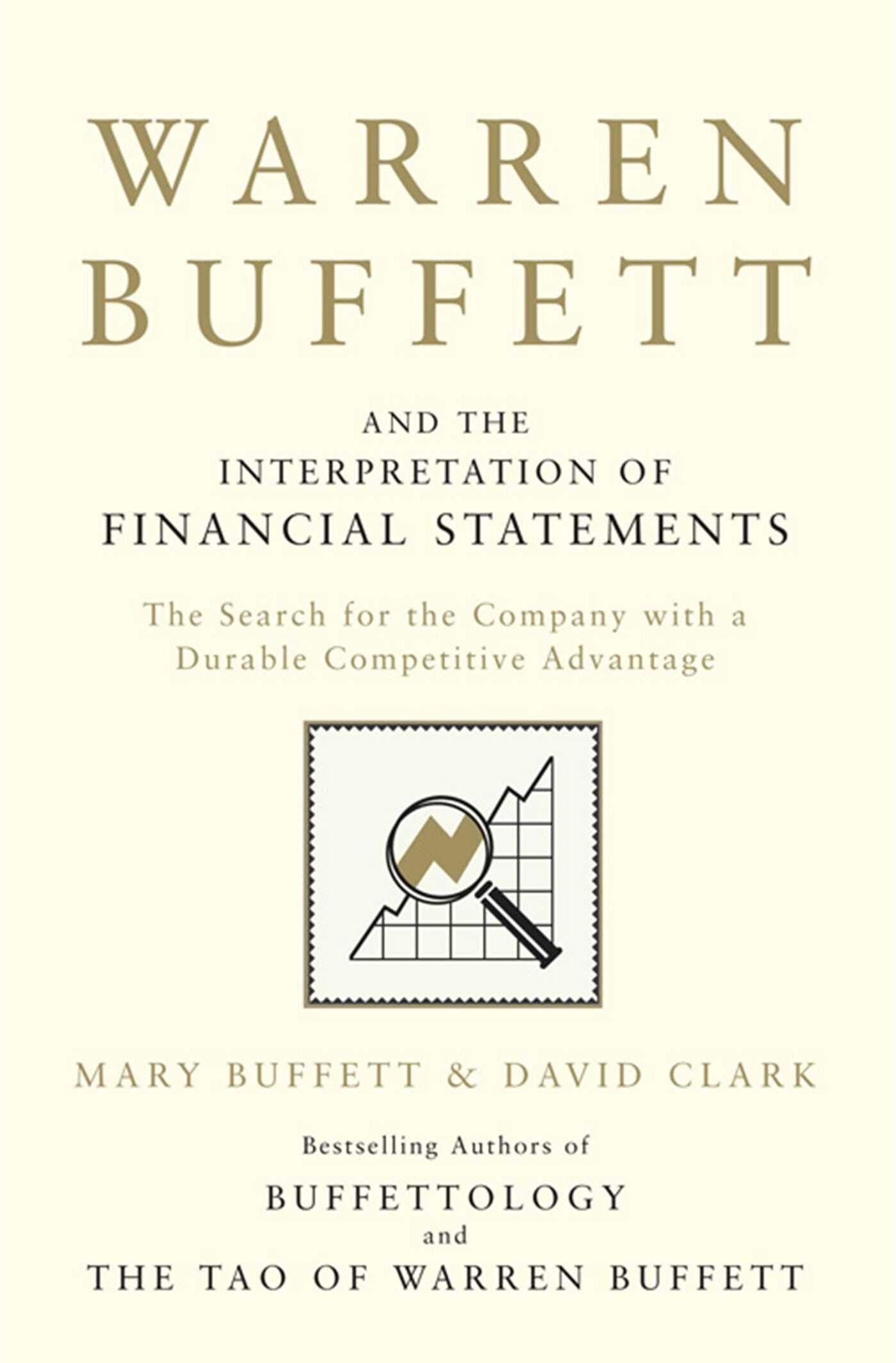
Simon and Schuster UK Warren Buffett and the Interpretation of Financial Statements: The Search for the Company with a Durable Competitive AdvantageWith an insider's view of the mind of the master, Mary Buffett and David Clark have written a simple guide for reading financial statements from Buffett's successful perspective. They clearly outline Warren Buffett's strategies in a way that will appeal to newcomers and seasoned Buffettologists alike. Inspired by the seminal work of Buffett's mentor, Benjamin Graham, this book presents Buffett's interpretation of financial statements with anecdotes and quotes from the master investor himself. Destined to become a classic in the world of investment books, Warren Buffett and the Interpretation of Financial Statements is the perfect companion volume to The New Buffettology and The Tao of Warren Buffett.4,95 £*Shipping: 1,99 £Secure redirect to the provider
-
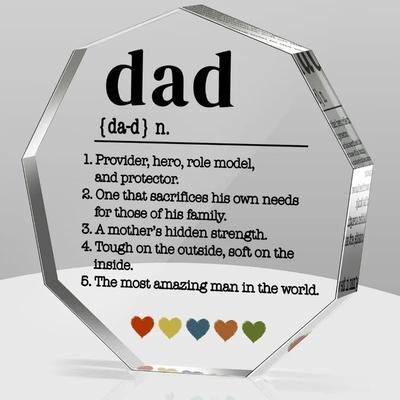
Uplift Treasures Dad Definition Acrylic Decorative Sign Dad Definition Acrylic Decorative SignProduct Description Celebrate everything that makes him special with this Dad Definition acrylic decorative sign. Featuring a heartfelt definitionstyle message, its a meaningful thank you, birthday, or Christmas gift from kids or a wife that adds...82,97 $*Shipping: 0,00 $Secure redirect to the provider
-
Uplift Essentials Bird Feeder High Definition Wildlife Observation Bird Feeder High Definition Wildlife Observation"Experience the beauty of nature from the comfort of your living room with the CrystalView Window Bird Feeder. Crafted from ultraclear, heavyduty acrylic, this ""bird house"" feeder offers an unobstructed, 360 view of your favorite local birds as they..."31,97 $*Shipping: 0,00 $Secure redirect to the provider
-
Uplift Essentials High Definition Memory Foam Lumbar Support Cushion High Definition Memory Foam Lumbar Support CushionRedefine your sitting experience with a hightorque ergonomic solution designed for maximum spinal stabilization. This car waist support pillow is a professionalgrade rebound memory foam cushion engineered to fill the structural void in office chairs...77,97 $*Shipping: 0,00 $Secure redirect to the provider


-
What are organizational elements?
Organizational elements refer to the fundamental components that make up an organization's structure and functioning. These elements can include the organization's mission, vision, goals, policies, procedures, culture, leadership, communication channels, and decision-making processes. They are essential for creating a framework that guides the organization's operations and helps it achieve its objectives. By understanding and effectively managing these elements, organizations can improve their performance and adapt to changes in their environment. **
-
Which professions require organizational skills?
Many professions require organizational skills, including project management, event planning, administrative roles, and executive positions. In project management, organizational skills are essential for keeping track of timelines, resources, and team members. Event planners need strong organizational skills to coordinate all the details of an event, from vendors to schedules. Administrative roles require organizational skills to manage calendars, documents, and communication. Executive positions also require strong organizational skills to oversee multiple aspects of a business or organization. **
-
What is the organizational chart?
An organizational chart is a visual representation of the structure of an organization, showing the relationships and hierarchy between different positions and departments. It typically includes boxes representing different roles or positions, connected by lines to show the reporting relationships and lines of authority. Organizational charts are used to help employees understand the chain of command, communication channels, and reporting structure within the organization. They can also be used to identify areas of overlap or gaps in responsibilities. **
-
What is an ISO organizational standard?
An ISO organizational standard is a set of guidelines and best practices developed by the International Organization for Standardization (ISO) to help organizations improve their processes, products, and services. These standards are designed to ensure consistency, efficiency, and quality across various industries and sectors. By adhering to ISO standards, organizations can demonstrate their commitment to meeting customer requirements, complying with regulations, and continuously improving their operations. ISO standards cover a wide range of areas, including quality management, environmental management, information security, and occupational health and safety. **

How can organizational levels be described?
Organizational levels can be described as the different layers or tiers within a company's structure, each with its own set of responsibilities and authority. These levels typically include top-level management, middle management, and front-line employees. Top-level management is responsible for making strategic decisions and setting the overall direction of the organization, while middle management oversees the implementation of these strategies and coordinates the activities of front-line employees. Front-line employees are responsible for carrying out the day-to-day tasks necessary to achieve the organization's goals. Each level has its own distinct role and contributes to the overall functioning of the organization. **
What are the organizational levels in plants?
Plants have three main organizational levels: cells, tissues, and organs. Cells are the basic building blocks of plants and are organized into tissues, which are groups of cells that work together to perform specific functions. Organs are structures made up of different types of tissues that work together to carry out specific functions, such as leaves for photosynthesis or roots for absorption of water and nutrients. These levels of organization allow plants to efficiently carry out essential processes for growth and survival. **
Top-Angebote
Products related to Organizational:
-
Uplifted Goods 360 Rotating 6 Claw Organizational Accessory Hub rose GoldEstablish a high level of closet efficiency with this High Performance Vertical Space Optimization Interface. Engineered with a Reinforced Polymeric Structural Shield and a specialized sixprong claw frame, this hanger is designed to provide a...29,97 $*Shipping: 0,00 $Secure redirect to the provider
-
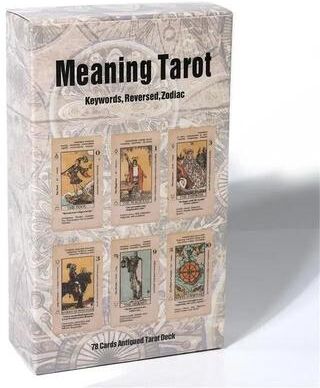
Uplifted Finds Beginner Tarot Deck With Keywords & Meanings Antiqued Learning Tarot 78 Card Set Beginner Tarot Deck With Keywords & Meanings Antiqued Learning Tarot 78 Card SetCommand ultimate spiritual confidence with the Beginner Learning Tarot System, a highperformance metaphysical solution specifically engineered to act as a comprehensive tool for elite organization and superior technical ergonomics. Built with a...44,97 $*Shipping: 0,00 $Secure redirect to the provider
-
Simon and Schuster UK Warren Buffett and the Interpretation of Financial Statements: The Search for the Company with a Durable Competitive AdvantageWith an insider's view of the mind of the master, Mary Buffett and David Clark have written a simple guide for reading financial statements from Buffett's successful perspective. They clearly outline Warren Buffett's strategies in a way that will appeal to newcomers and seasoned Buffettologists alike. Inspired by the seminal work of Buffett's mentor, Benjamin Graham, this book presents Buffett's interpretation of financial statements with anecdotes and quotes from the master investor himself. Destined to become a classic in the world of investment books, Warren Buffett and the Interpretation of Financial Statements is the perfect companion volume to The New Buffettology and The Tao of Warren Buffett.4,95 £*Shipping: 1,99 £Secure redirect to the provider
-
Uplift Treasures Dad Definition Acrylic Decorative Sign Dad Definition Acrylic Decorative SignProduct Description Celebrate everything that makes him special with this Dad Definition acrylic decorative sign. Featuring a heartfelt definitionstyle message, its a meaningful thank you, birthday, or Christmas gift from kids or a wife that adds...82,97 $*Shipping: 0,00 $Secure redirect to the provider
-
What are organizational tasks?
Organizational tasks are the specific activities and responsibilities that individuals or teams within an organization are responsible for completing in order to achieve the organization's goals. These tasks can include things like project management, scheduling, budgeting, coordinating team efforts, and ensuring that resources are allocated effectively. Organizational tasks are essential for maintaining order and efficiency within a company, and they help to ensure that everyone is working towards the same objectives. **
-
What are organizational professions?
Organizational professions refer to careers that involve working within a structured environment, such as corporations, government agencies, or non-profit organizations. These professions typically require individuals to possess strong organizational skills, the ability to work well within a team, and a good understanding of how to navigate complex systems and hierarchies. Examples of organizational professions include management, human resources, finance, and administration. **
-
What are organizational elements?
Organizational elements refer to the fundamental components that make up an organization's structure and functioning. These elements can include the organization's mission, vision, goals, policies, procedures, culture, leadership, communication channels, and decision-making processes. They are essential for creating a framework that guides the organization's operations and helps it achieve its objectives. By understanding and effectively managing these elements, organizations can improve their performance and adapt to changes in their environment. **
-
Which professions require organizational skills?
Many professions require organizational skills, including project management, event planning, administrative roles, and executive positions. In project management, organizational skills are essential for keeping track of timelines, resources, and team members. Event planners need strong organizational skills to coordinate all the details of an event, from vendors to schedules. Administrative roles require organizational skills to manage calendars, documents, and communication. Executive positions also require strong organizational skills to oversee multiple aspects of a business or organization. **
Similar search terms for Organizational
-
Uplift Essentials Bird Feeder High Definition Wildlife Observation Bird Feeder High Definition Wildlife Observation"Experience the beauty of nature from the comfort of your living room with the CrystalView Window Bird Feeder. Crafted from ultraclear, heavyduty acrylic, this ""bird house"" feeder offers an unobstructed, 360 view of your favorite local birds as they..."31,97 $*Shipping: 0,00 $Secure redirect to the provider
-
Uplift Essentials High Definition Memory Foam Lumbar Support Cushion High Definition Memory Foam Lumbar Support CushionRedefine your sitting experience with a hightorque ergonomic solution designed for maximum spinal stabilization. This car waist support pillow is a professionalgrade rebound memory foam cushion engineered to fill the structural void in office chairs...77,97 $*Shipping: 0,00 $Secure redirect to the provider
-
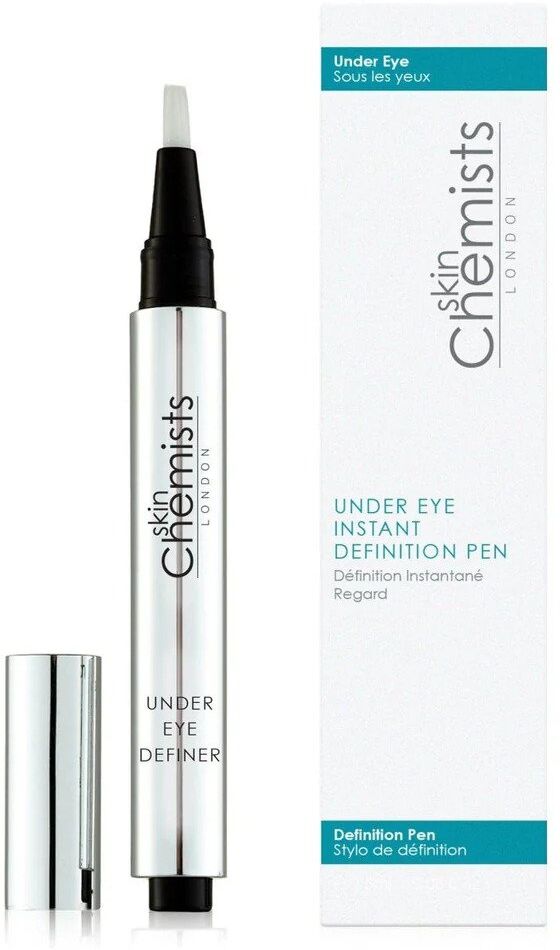
Under Eye Instant Definition Pen 2.5mlSay goodbye to tired-looking eyes with the Under Eye Instant Definition Pen 2.5ml , your go-to solution for brightening, smoothing, and defining the under-eye area. This lightweight, easy-to-use pen delivers instant coverage while reducing the appearance of dark circles, fine lines, and puffiness. Whether you're prepping for a full-glam look or a no-makeup day, this under-eye corrector blends seamlessly into the skin, giving you a fresh and youthful glow in seconds. Ideal for all skin types, the formula is enriched with nourishing ingredients that hydrate and care for the delicate under-eye area while providing long-lasting results. ✔️ Instantly brightens and smooths the under-eye area ✔️ Reduces the appearance of dark circles and puffiness ✔️ Lightweight, buildable coverage for a natural finish ✔️ Easy-to-use precision pen applicator ✔️ Blends effortlessly with makeup or on bare skin ✔️ Long-lasting, crease-resistant formula ✔️ Hydrates and nourishes delicate under-eye skin ✔️ Suitable for all skin types and tones ✔️ Perfect for daily use or touch-ups on the go ✔️ Compact and travel-friendly design Whether you're targeting under-eye shadows, signs of fatigue, or just want a more defined and refreshed look, the Under Eye Instant Definition Pen is your must-have beauty essential. Designed to deliver instant results with a natural finish , it enhances your eyes while caring for your skin. Perfect for those seeking an under-eye concealer , brightening pen , or eye area corrector , this product boosts your look and your confidence every time you apply it.19,99 £*Shipping: 0,00 £Secure redirect to the provider
-
Uplift Essentials Seasonal Narrative Sculpture High Definition Snowman Architectural Ornament Seasonal Narrative Sculpture High Definition Snowman Architectural Ornament"Synchronize your sanctuary with the highdefinition, highvibration energy of our Mini Christmas Snowman Figurines. Featuring a sophisticated ""winterluxe"" silhouette of rhythmic frost anatomy, these resin masterpieces are designed to bring a..."34,97 $*Shipping: 0,00 $Secure redirect to the provider
-
What is the organizational chart?
An organizational chart is a visual representation of the structure of an organization, showing the relationships and hierarchy between different positions and departments. It typically includes boxes representing different roles or positions, connected by lines to show the reporting relationships and lines of authority. Organizational charts are used to help employees understand the chain of command, communication channels, and reporting structure within the organization. They can also be used to identify areas of overlap or gaps in responsibilities. **
-
What is an ISO organizational standard?
An ISO organizational standard is a set of guidelines and best practices developed by the International Organization for Standardization (ISO) to help organizations improve their processes, products, and services. These standards are designed to ensure consistency, efficiency, and quality across various industries and sectors. By adhering to ISO standards, organizations can demonstrate their commitment to meeting customer requirements, complying with regulations, and continuously improving their operations. ISO standards cover a wide range of areas, including quality management, environmental management, information security, and occupational health and safety. **
-
How can organizational levels be described?
Organizational levels can be described as the different layers or tiers within a company's structure, each with its own set of responsibilities and authority. These levels typically include top-level management, middle management, and front-line employees. Top-level management is responsible for making strategic decisions and setting the overall direction of the organization, while middle management oversees the implementation of these strategies and coordinates the activities of front-line employees. Front-line employees are responsible for carrying out the day-to-day tasks necessary to achieve the organization's goals. Each level has its own distinct role and contributes to the overall functioning of the organization. **
-
What are the organizational levels in plants?
Plants have three main organizational levels: cells, tissues, and organs. Cells are the basic building blocks of plants and are organized into tissues, which are groups of cells that work together to perform specific functions. Organs are structures made up of different types of tissues that work together to carry out specific functions, such as leaves for photosynthesis or roots for absorption of water and nutrients. These levels of organization allow plants to efficiently carry out essential processes for growth and survival. **
* All prices are inclusive of VAT and, if applicable, plus shipping costs. The offer information is based on the details provided by the respective shop and is updated through automated processes. Real-time updates do not occur, so deviations can occur in individual cases. ** Note: Parts of this content were created by AI.