Buy meanings.eu ?
We are moving the project
meanings.eu .
Are you interested in purchasing the domain
meanings.eu ?
domain@kv-gmbh.de · 0541-91531010
Buy meanings.eu ?
What are inventory and inventory holding costs?
Inventory refers to the goods and materials held by a business for the purpose of resale or production. Inventory holding costs, also known as carrying costs, are the expenses associated with holding and storing inventory. These costs can include expenses such as storage, insurance, obsolescence, and the opportunity cost of tying up capital in inventory. Managing inventory and minimizing inventory holding costs is important for businesses to optimize their cash flow and profitability. **
How does an increase in inventory turnover frequency affect inventory costs and inventory risk?
An increase in inventory turnover frequency typically leads to lower inventory costs as it indicates that inventory is being sold and replenished more quickly, reducing the need for excess inventory storage and associated costs. Additionally, a higher turnover frequency can help mitigate inventory risk by reducing the likelihood of inventory obsolescence or damage due to prolonged storage. Overall, a faster inventory turnover frequency can lead to improved efficiency, lower costs, and reduced inventory risk for a business. **


Similar search terms for Inventory
Top-Angebote
Products related to Inventory:
-
Uplifted Finds Vertical Toy Inventory Management Module greenOptimize your pets engagement ecosystem with the Vertical ToyInventory Module, a professionalgrade organization system engineered with spatialefficiency logic. This highutility module features a multitier felt architecture specifically designed to...92,97 $*Shipping: 0,00 $Secure redirect to the provider
-
Uplifted Finds Beginner Tarot Deck With Keywords & Meanings Antiqued Learning Tarot 78 Card Set Beginner Tarot Deck With Keywords & Meanings Antiqued Learning Tarot 78 Card SetCommand ultimate spiritual confidence with the Beginner Learning Tarot System, a highperformance metaphysical solution specifically engineered to act as a comprehensive tool for elite organization and superior technical ergonomics. Built with a...44,97 $*Shipping: 0,00 $Secure redirect to the provider
-
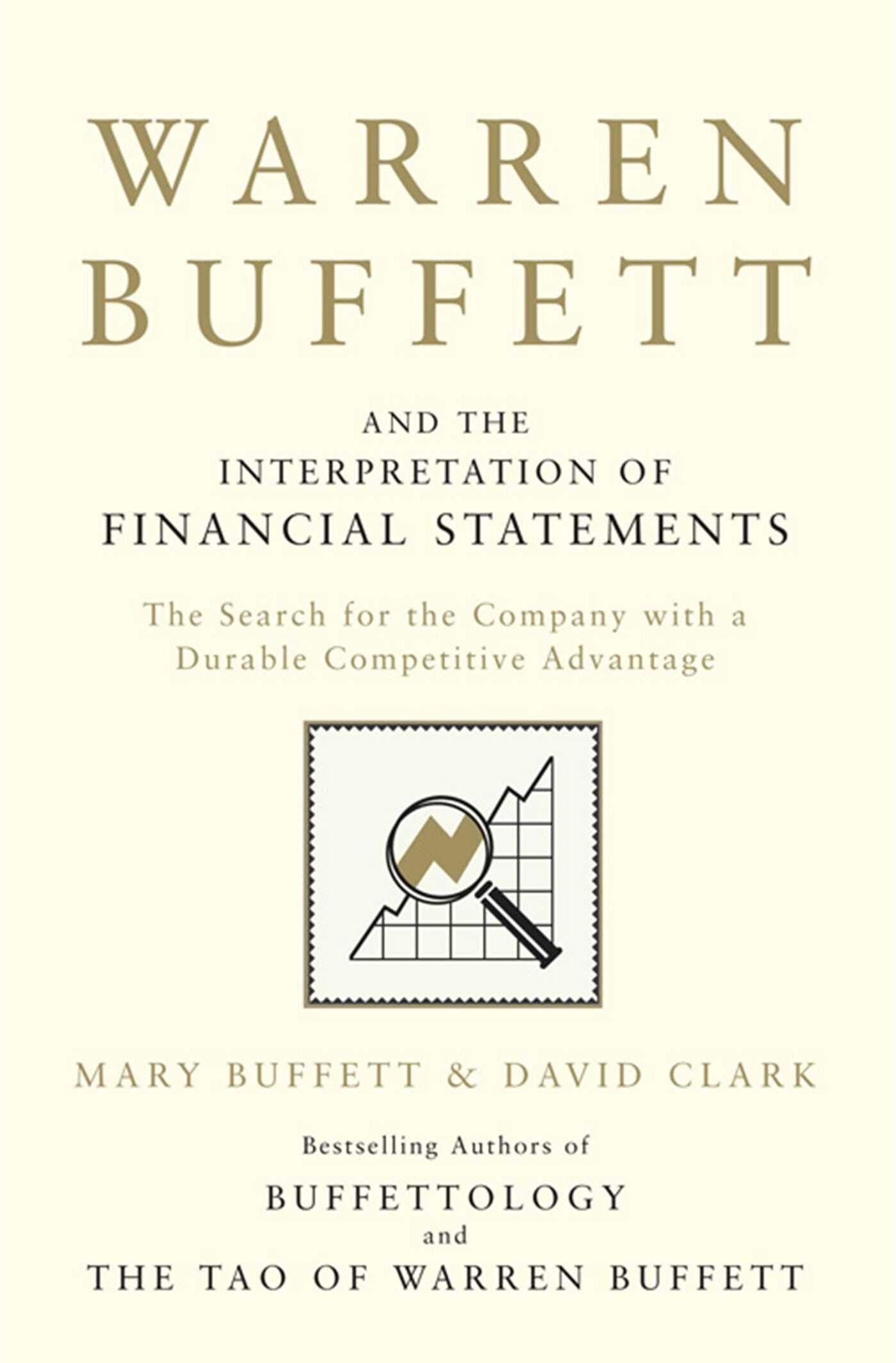
Simon and Schuster UK Warren Buffett and the Interpretation of Financial Statements: The Search for the Company with a Durable Competitive AdvantageWith an insider's view of the mind of the master, Mary Buffett and David Clark have written a simple guide for reading financial statements from Buffett's successful perspective. They clearly outline Warren Buffett's strategies in a way that will appeal to newcomers and seasoned Buffettologists alike. Inspired by the seminal work of Buffett's mentor, Benjamin Graham, this book presents Buffett's interpretation of financial statements with anecdotes and quotes from the master investor himself. Destined to become a classic in the world of investment books, Warren Buffett and the Interpretation of Financial Statements is the perfect companion volume to The New Buffettology and The Tao of Warren Buffett.4,95 £*Shipping: 1,99 £Secure redirect to the provider
-
Uplift Treasures Dad Definition Acrylic Decorative Sign Dad Definition Acrylic Decorative SignProduct Description Celebrate everything that makes him special with this Dad Definition acrylic decorative sign. Featuring a heartfelt definitionstyle message, its a meaningful thank you, birthday, or Christmas gift from kids or a wife that adds...82,97 $*Shipping: 0,00 $Secure redirect to the provider



-
What is the beginning inventory and ending inventory here?
The beginning inventory is the amount of inventory available at the start of a specific period, typically a fiscal year or accounting period. The ending inventory, on the other hand, is the amount of inventory remaining at the end of the same period. By comparing the beginning and ending inventory levels, a company can determine how much inventory was used or sold during that period. **
-
What is the difference between inventory increase and inventory decrease?
Inventory increase refers to the situation where the amount of goods or materials in stock has grown, either due to new purchases, production, or other factors. This can be a positive sign of business growth, but it can also tie up capital and increase storage costs. On the other hand, inventory decrease occurs when the amount of goods or materials in stock has decreased, either due to sales, usage, or other factors. This can be a sign of strong demand and efficient operations, but it can also lead to stockouts and lost sales if not managed properly. Both inventory increase and decrease are important to monitor and manage in order to maintain a healthy balance and meet customer demand. **
-
What is the meaning of periodic inventory and perpetual inventory?
Periodic inventory refers to a system where a physical count of inventory is conducted at specific intervals, such as monthly or annually, to determine the quantity on hand and the cost of goods sold. On the other hand, perpetual inventory is a system that continuously tracks inventory levels in real-time using technology such as barcode scanners and RFID tags. This system provides up-to-date information on inventory levels, cost of goods sold, and helps in managing stock levels efficiently. **
-
Does the inventory in accounting not match the target inventory?
If the inventory in accounting does not match the target inventory, it could indicate potential issues such as theft, errors in recording transactions, or discrepancies in the physical counting of inventory. It is important to investigate the root cause of the discrepancy and take corrective actions to reconcile the inventory. This may involve conducting a physical inventory count, reviewing transaction records, and implementing better inventory management practices to prevent future discrepancies. Regular monitoring and reconciliation of inventory can help ensure accurate accounting records and prevent potential losses. **


Does a high inventory level negatively impact profit during the inventory?
A high inventory level can negatively impact profit during the inventory period. This is because holding excess inventory ties up capital that could be used for other investments or operational expenses. Additionally, high inventory levels can lead to increased storage and carrying costs, as well as the risk of obsolescence or spoilage. It can also result in markdowns or discounts to move excess inventory, which can impact profit margins. Therefore, it is important for businesses to carefully manage their inventory levels to optimize profitability. **
What are inventory changes?
Inventory changes refer to the fluctuations in the quantity of goods and materials that a company holds in stock. These changes can occur due to factors such as production, sales, purchases, and returns. Understanding inventory changes is crucial for businesses to effectively manage their supply chain, optimize their inventory levels, and meet customer demand. By tracking inventory changes, companies can make informed decisions about purchasing, production, and pricing strategies. **
Top-Angebote
Products related to Inventory:
-
Uplifted Finds Epidermal Sanitization Inventory (3 Pack Hub) Epidermal Sanitization Inventory (3 Pack Hub)Optimize your pets dermatological hygiene and ocular clarity with the Epidermal Sanitization Inventory, a professionalgrade maintenance system engineered with aqueouscleansing logic. This highutility 240unit logistics package features a specialized...111,97 $*Shipping: 0,00 $Secure redirect to the provider
-
Uplifted Finds Avian Mimic Enrichment Inventory (9 Unit Hub) Avian Mimic Enrichment Inventory (9 Unit Hub)Optimize your pet's physical agility and predatory tracking with the AvianMimic Enrichment Inventory, a professionalgrade interactive system engineered with highfrequency kinetic logic. This highutility 9piece replacement hub features a specialized...40,97 $*Shipping: 0,00 $Secure redirect to the provider
-
Uplifted Finds Vertical Toy Inventory Management Module greenOptimize your pets engagement ecosystem with the Vertical ToyInventory Module, a professionalgrade organization system engineered with spatialefficiency logic. This highutility module features a multitier felt architecture specifically designed to...92,97 $*Shipping: 0,00 $Secure redirect to the provider
-
Uplifted Finds Beginner Tarot Deck With Keywords & Meanings Antiqued Learning Tarot 78 Card Set Beginner Tarot Deck With Keywords & Meanings Antiqued Learning Tarot 78 Card SetCommand ultimate spiritual confidence with the Beginner Learning Tarot System, a highperformance metaphysical solution specifically engineered to act as a comprehensive tool for elite organization and superior technical ergonomics. Built with a...44,97 $*Shipping: 0,00 $Secure redirect to the provider
-
What are inventory and inventory holding costs?
Inventory refers to the goods and materials held by a business for the purpose of resale or production. Inventory holding costs, also known as carrying costs, are the expenses associated with holding and storing inventory. These costs can include expenses such as storage, insurance, obsolescence, and the opportunity cost of tying up capital in inventory. Managing inventory and minimizing inventory holding costs is important for businesses to optimize their cash flow and profitability. **
-
How does an increase in inventory turnover frequency affect inventory costs and inventory risk?
An increase in inventory turnover frequency typically leads to lower inventory costs as it indicates that inventory is being sold and replenished more quickly, reducing the need for excess inventory storage and associated costs. Additionally, a higher turnover frequency can help mitigate inventory risk by reducing the likelihood of inventory obsolescence or damage due to prolonged storage. Overall, a faster inventory turnover frequency can lead to improved efficiency, lower costs, and reduced inventory risk for a business. **
-
What is the beginning inventory and ending inventory here?
The beginning inventory is the amount of inventory available at the start of a specific period, typically a fiscal year or accounting period. The ending inventory, on the other hand, is the amount of inventory remaining at the end of the same period. By comparing the beginning and ending inventory levels, a company can determine how much inventory was used or sold during that period. **
-
What is the difference between inventory increase and inventory decrease?
Inventory increase refers to the situation where the amount of goods or materials in stock has grown, either due to new purchases, production, or other factors. This can be a positive sign of business growth, but it can also tie up capital and increase storage costs. On the other hand, inventory decrease occurs when the amount of goods or materials in stock has decreased, either due to sales, usage, or other factors. This can be a sign of strong demand and efficient operations, but it can also lead to stockouts and lost sales if not managed properly. Both inventory increase and decrease are important to monitor and manage in order to maintain a healthy balance and meet customer demand. **
Similar search terms for Inventory
-
Simon and Schuster UK Warren Buffett and the Interpretation of Financial Statements: The Search for the Company with a Durable Competitive AdvantageWith an insider's view of the mind of the master, Mary Buffett and David Clark have written a simple guide for reading financial statements from Buffett's successful perspective. They clearly outline Warren Buffett's strategies in a way that will appeal to newcomers and seasoned Buffettologists alike. Inspired by the seminal work of Buffett's mentor, Benjamin Graham, this book presents Buffett's interpretation of financial statements with anecdotes and quotes from the master investor himself. Destined to become a classic in the world of investment books, Warren Buffett and the Interpretation of Financial Statements is the perfect companion volume to The New Buffettology and The Tao of Warren Buffett.4,95 £*Shipping: 1,99 £Secure redirect to the provider
-
Uplift Treasures Dad Definition Acrylic Decorative Sign Dad Definition Acrylic Decorative SignProduct Description Celebrate everything that makes him special with this Dad Definition acrylic decorative sign. Featuring a heartfelt definitionstyle message, its a meaningful thank you, birthday, or Christmas gift from kids or a wife that adds...82,97 $*Shipping: 0,00 $Secure redirect to the provider
-
Uplifted Finds Vertical Toy Inventory Management Module grayOptimize your pets engagement ecosystem with the Vertical ToyInventory Module, a professionalgrade organization system engineered with spatialefficiency logic. This highutility module features a multitier felt architecture specifically designed to...92,97 $*Shipping: 0,00 $Secure redirect to the provider
-
Uplifted Finds Vertical Toy Inventory Management Module yellowOptimize your pets engagement ecosystem with the Vertical ToyInventory Module, a professionalgrade organization system engineered with spatialefficiency logic. This highutility module features a multitier felt architecture specifically designed to...92,97 $*Shipping: 0,00 $Secure redirect to the provider
-
What is the meaning of periodic inventory and perpetual inventory?
Periodic inventory refers to a system where a physical count of inventory is conducted at specific intervals, such as monthly or annually, to determine the quantity on hand and the cost of goods sold. On the other hand, perpetual inventory is a system that continuously tracks inventory levels in real-time using technology such as barcode scanners and RFID tags. This system provides up-to-date information on inventory levels, cost of goods sold, and helps in managing stock levels efficiently. **
-
Does the inventory in accounting not match the target inventory?
If the inventory in accounting does not match the target inventory, it could indicate potential issues such as theft, errors in recording transactions, or discrepancies in the physical counting of inventory. It is important to investigate the root cause of the discrepancy and take corrective actions to reconcile the inventory. This may involve conducting a physical inventory count, reviewing transaction records, and implementing better inventory management practices to prevent future discrepancies. Regular monitoring and reconciliation of inventory can help ensure accurate accounting records and prevent potential losses. **
-
Does a high inventory level negatively impact profit during the inventory?
A high inventory level can negatively impact profit during the inventory period. This is because holding excess inventory ties up capital that could be used for other investments or operational expenses. Additionally, high inventory levels can lead to increased storage and carrying costs, as well as the risk of obsolescence or spoilage. It can also result in markdowns or discounts to move excess inventory, which can impact profit margins. Therefore, it is important for businesses to carefully manage their inventory levels to optimize profitability. **
-
What are inventory changes?
Inventory changes refer to the fluctuations in the quantity of goods and materials that a company holds in stock. These changes can occur due to factors such as production, sales, purchases, and returns. Understanding inventory changes is crucial for businesses to effectively manage their supply chain, optimize their inventory levels, and meet customer demand. By tracking inventory changes, companies can make informed decisions about purchasing, production, and pricing strategies. **
* All prices are inclusive of VAT and, if applicable, plus shipping costs. The offer information is based on the details provided by the respective shop and is updated through automated processes. Real-time updates do not occur, so deviations can occur in individual cases. ** Note: Parts of this content were created by AI.